
Gardening in Laramie County
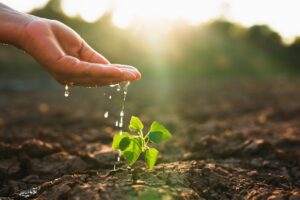
Growing season is underway in Laramie County, and it’s a great time to get started with the Seed Library. If you missed opening day, you can still pick up seeds at any library location in Cheyenne, Burns, and Pine Bluffs.
Laramie County Library System partners with Laramie County Master Gardeners to bring you the Seed Library, and we offer more than just seeds. We’re here to help your growing season succeed. Join us for Seed Library events led by master gardeners and explore tips and guidance for every stage of the growing cycle.
Growing in Laramie County’s rough climate can seem discouraging, but we are cheering you on!
Laramie County Conditions:
Laramie County falls within USDA hardiness zones 4b and a 5a, with average annual minimum temperatures ranging from -20 degrees Fahrenheit and -10 degrees Fahrenheit. The region also experiences ongoing drought conditions, with average annual moisture between 8 and 15 inches.
Our soil tends to be alkaline, with a pH of 7 or higher, which can limit what certain plants will tolerate. Understanding these conditions is an important first step toward a successful growing season.
After You Pick Up Your Seeds
Once you’ve picked up your seeds from The Seed Library of Laramie County, take a moment to review the information on the packet before you begin. You’ll find planting instructions along with “Days to Maturity” or, in some cases, “Days to Germination.”
To understand a plant’s full timeline from seed to harvest, it helps to consider the entire process: days to germination, time to reach transplant size, hardening off, and days to maturity.
Germination:
With your seeds in hand, the next step is germination. Start with seed trays or pots, seed-starting mix, seeds, and labels. Optional tools such as programmable timers, grow lights, heat maps, and oscillating fans can help improve your results.
Everyday items like egg cartons, newspaper pots, or plastic jugs can be used as containers. Choose a light, soil-free seed starting mix to protect young plants.
Light is essential for healthy growth. Natural window light is often not enough, so supplemental lighting can make a significant difference. Place lights 2-3 inches above seedlings and adjust as they grow. Turn the lights off at night to allow plants to rest.
Keep soil temperatures consistently warm for germination and leafy growth. In general, cool-season vegetables germinate best at 55-65 degrees Fahrenheit, while warm-season plants prefer 65-75 degrees Fahrenheit. Maintain even moisture by misting at first, then watering from the bottom as roots develop.
Tip: Adding a small amount of dried chamomile tea to your water reservoir can reduce fungal and bacterial growth due to its natural antimicrobial properties.
Transplanting:
According to University of Wyoming Laramie County Extension, the average last frost date is May 20, and the first frost typically arrives around September 25. Some plants such as asparagus, cabbage, and hardy annuals, can be transplanted earlier.
Before transplanting, check a 10-day weather forecast and monitor soil temperature using a soil thermometer or online map. Spring conditions can change quickly, so timing matters.
To determine if your plant is ready:
- Look for a well-developed root system
- Check for sturdy stems and appropriate height (based on seed packet guidance)
- Confirm the presence of true leaves, usually one to three sets
To help strengthen seedlings, placing a gentle fan nearby can simulate outdoor conditions and encourage sturdier growth.
Hardening Off:
Before moving plants outdoors, seedlings need time to adjust. Hardening off is a gradual process, typically over one to two weeks, that helps seedlings acclimatize to sunlight, wind, and varying temperatures.
Gradually increase outdoor exposure each day to reduce transplant shock. Once this process is complete, your seedlings are ready for the garden.
Watering
Consistent watering is key during the growing season. Plan to water every 24-48 hours, as most vegetables are not drought tolerant. Avoid letting the soil dry out completely.
Soaker hoses or drip tape on timers are effective, low-cost options that help maintain consistency, even when you’re away.
Considerations:
Wyoming’s clay-heavy soil can be improved with compost, often called “black gold.” Composting requires space, organic material, water, air, and time, but it can significantly improve soil health and growing success over time.
Final Thoughts:
We’re proud to continue our partnership with the Laramie County Master Gardeners and support successful growing seasons across our community.
This year marks 10 years of the Seed Library of Laramie County. Whether you’re just getting started or building on years of experience, we invite you to be a part of it. Stop by the library, pick up seeds, and grow with us.